えびせんべいは、まだ進化できる。 桂新堂株式会社 代表取締役社長 光田 侑司 様
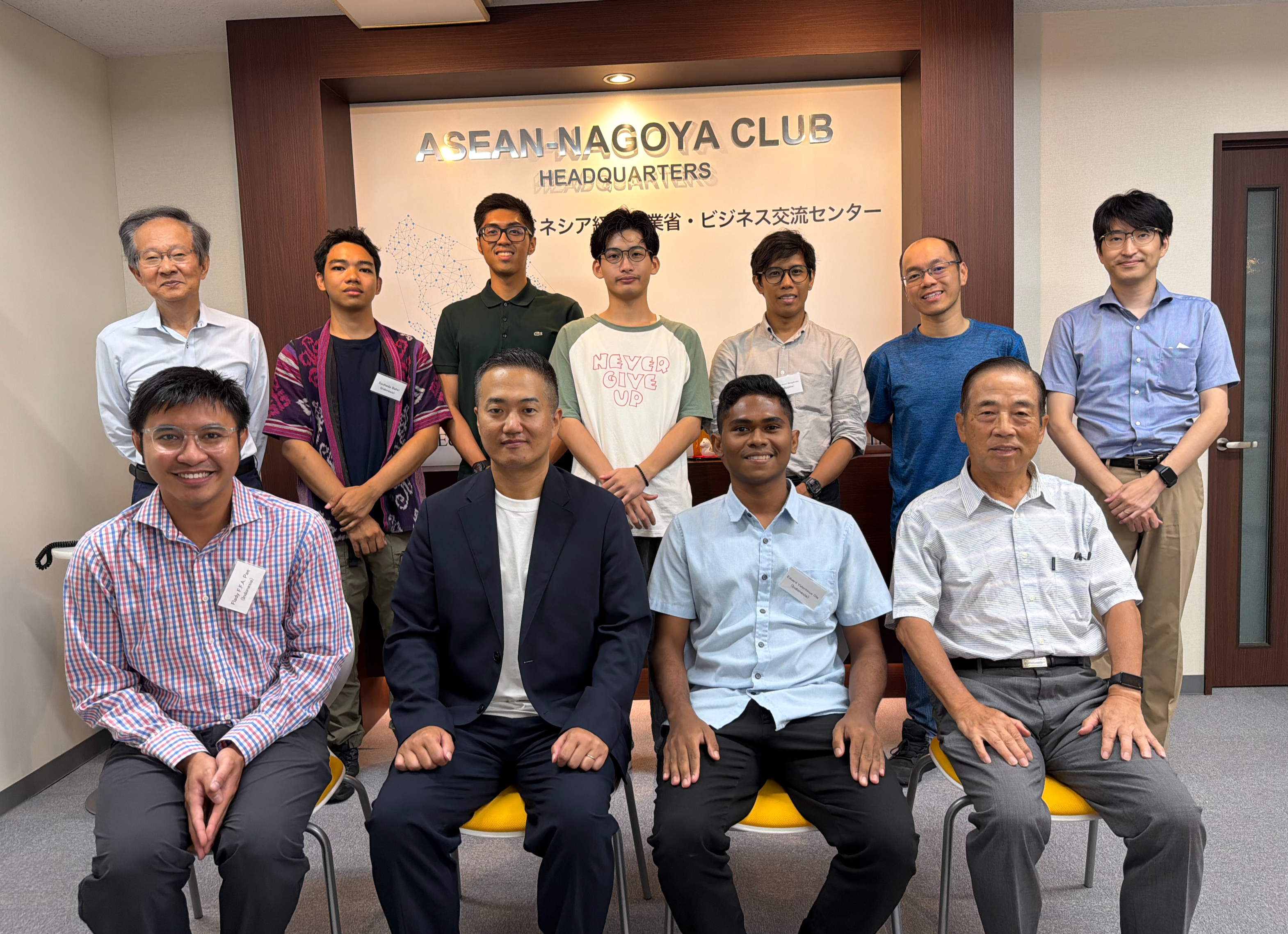
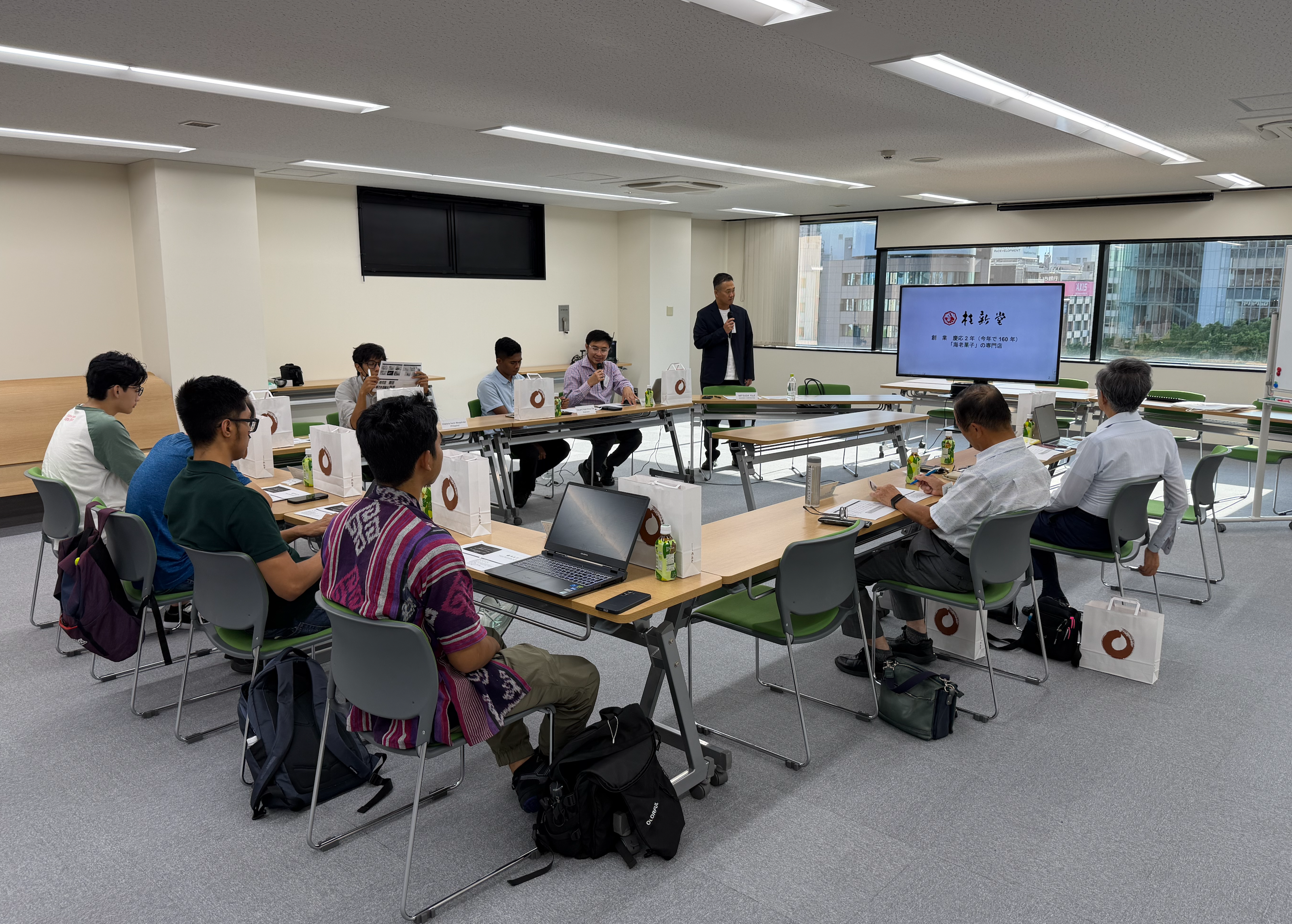
ASEAN-NAGOYA CLUBでは、1866年(慶応2年)創業の老舗えびせんべいメーカー、桂新堂株式会社 代表取締役社長の光田侑司氏を講師にお迎えし、「えびせんべいは、まだ進化できる。」をテーマにご講演いただきました。
2026年に創業160周年を迎える桂新堂は、長きにわたり「えびせんべい」づくりに向き合い、日本の食文化とともに歩み続けてきました。講演では、創業から現在に至るまでの歴史をはじめ、えびせんべいのルーツや伝統的な製法、原料へのこだわり、そして時代に合わせた商品づくりについて紹介されました。
光田氏は、伝統を守ることは単に過去と同じものを作り続けることではなく、受け継いできた本質を大切にしながら、その時代に求められる「おいしさ」を追求し続けることであると語られました。長年培われてきた製法や技術を大切にする一方、生産技術の向上や新たな商品開発にも取り組み、えびせんべいの可能性を広げ続けています。
また、桂新堂の商品を支える「えび」へのこだわりについてもお話しいただきました。自然環境や漁獲量が変化する中で、品質の高い原料を安定的に確保するため、生産地との関係を大切にしながら、原料の特性に応じたさまざまな工夫を重ねています。限りある海の恵みを大切にし、それぞれの素材の魅力を最大限に引き出す姿勢からは、160年続く企業ならではのものづくりへの哲学を感じることができました。
講演では、伝統的な贈答品としてのえびせんべいだけでなく、現代のライフスタイルや多様なニーズに合わせた商品開発についても紹介されました。日本の四季や文化を表現した商品、新しい味わいへの挑戦、さらには海外から訪れる方々にも楽しんでもらうための取り組みなど、伝統産業でありながら変化を恐れず、新しい市場へ挑戦し続ける姿勢が示されました。
さらに、海外展開についても触れられ、日本で培ってきた「えびせんべい」という食文化を世界へ伝えていく可能性についてお話しいただきました。食文化や嗜好が異なる海外市場においても、日本ならではの品質や文化的価値を大切にしながら、新たな挑戦を進めていることが紹介されました。
質疑応答では、原料調達や商品開発、海外展開、ムスリムの方々にも商品を楽しんでもらうための取り組み、多言語での商品情報の発信など、幅広いテーマについて活発な意見交換が行われました。また、なぜ160年にわたり「えびせんべい」に特化し続けてきたのかという質問に対しても、専門性を磨き続けることの価値や、企業としての強みを大切にする考え方が語られました。
今回の講演を通じて、長い歴史を持つ企業にとって「伝統」と「革新」は相反するものではなく、伝統を未来へつないでいくためにこそ、絶えず変化し挑戦し続けることが重要であると学ぶ貴重な機会となりました。
「えびせんべいは、まだ進化できる。」
160年という歴史に安住することなく、これからの時代に向けて新しい「おいしさ」と価値を追求し続ける桂新堂の姿勢は、ASEAN各国から参加した学生にとっても、事業を長く続けることの意味や、伝統を受け継ぎながら未来を創ることについて考える貴重な学びとなりました。
ASEAN-NAGOYA CLUBでは今後も、さまざまな分野の第一線で活躍される講師をお招きし、日本の企業文化やものづくりの精神を学ぶとともに、日本とASEANをつなぐ交流の場を提供してまいります。
Lecturer: Mr. Yuji Mitsuda, President & CEO, Keishindo Co., Ltd.
Theme: “Ebi Senbei Can Still Evolve.”
ASEAN-NAGOYA CLUB welcomed Mr. Yuji Mitsuda, President & CEO of Keishindo Co., Ltd., a long-established Japanese confectionery company founded in 1866, as the guest speaker for its regular meeting. His lecture, titled “Ebi Senbei Can Still Evolve,” explored the company’s 160-year history, its dedication to traditional craftsmanship, and its continuous pursuit of innovation.
Celebrating its 160th anniversary in 2026, Keishindo has devoted generations to the art of making ebi senbei—traditional Japanese shrimp crackers—while growing alongside Japan’s food culture. During the lecture, Mr. Mitsuda introduced the company’s journey from its founding to the present day, the origins of ebi senbei, traditional production methods, its commitment to carefully selected ingredients, and its approach to developing products that reflect changing times and customer preferences.
Mr. Mitsuda explained that preserving tradition does not simply mean continuing to make the same products in the same way. Rather, it means protecting the essential values that have been passed down through generations while continuing to pursue new forms of deliciousness suited to each era. While respecting the craftsmanship and techniques developed over many years, Keishindo continues to improve its production methods and explore new products, expanding the possibilities of ebi senbei.
The lecture also highlighted Keishindo’s deep commitment to shrimp, the essential ingredient at the heart of its products. As natural environments and seafood supplies continue to change, the company works closely with production regions and suppliers to secure high-quality ingredients and make the most of the unique characteristics of each variety. This respect for the blessings of the sea reflects a philosophy of craftsmanship that has been cultivated throughout the company’s long history.
Mr. Mitsuda also introduced Keishindo’s efforts to create products that go beyond the traditional role of ebi senbei as a Japanese gift. The company continues to explore new possibilities through products inspired by Japan’s four seasons and cultural traditions, new flavors suited to contemporary lifestyles, and initiatives designed to make its products more accessible to visitors from around the world. These efforts demonstrate how a company rooted in tradition can continue to embrace change and explore new markets.
International expansion was another important topic of the lecture. Mr. Mitsuda spoke about the potential to introduce ebi senbei and the culture surrounding Japanese confectionery to a wider global audience. While food cultures and preferences differ from country to country, Keishindo aims to communicate the quality, craftsmanship, and cultural values that have long distinguished its products in Japan.
The lecture was followed by an engaging Q&A session covering a wide range of topics, including ingredient sourcing, product development, overseas expansion, Muslim-friendly initiatives, and multilingual product information. Participants also asked why Keishindo has continued to specialize in ebi senbei throughout its long history, leading to a discussion about the importance of developing deep expertise and building upon a company’s distinctive strengths.
The lecture provided participants with a valuable opportunity to understand that tradition and innovation are not opposing concepts. For a company with a long history, continuing to evolve and take on new challenges is precisely what allows its traditions and values to be passed on to future generations.
“Ebi Senbei Can Still Evolve.”
Rather than simply relying on its 160-year heritage, Keishindo continues to pursue new forms of deliciousness and value for the future. For the ASEAN students who participated in the session, Mr. Mitsuda’s message offered valuable insights into what it means to build a sustainable business, preserve tradition, and create the future through continuous innovation.
ASEAN-NAGOYA CLUB will continue to invite distinguished leaders from a wide range of industries, providing opportunities for ASEAN students to learn about Japanese business culture and craftsmanship while fostering stronger connections between Japan and ASEAN.